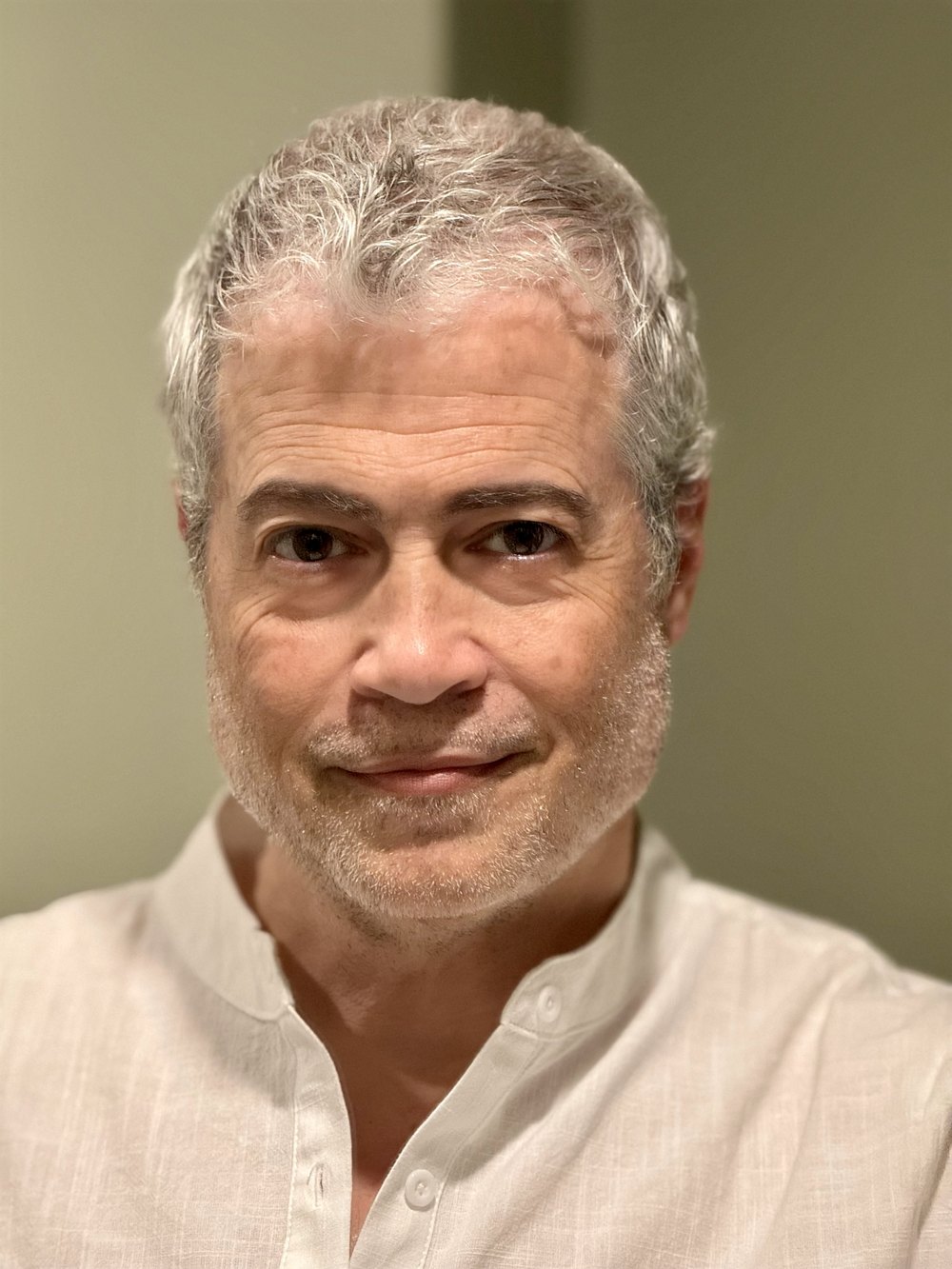
Resonance started with a professor noticing something troubling about the students in front of him.
Matthew Lieberman has taught psychology at UCLA for more than 25 years, studying how our brains make us the social creatures we are. Over the last several years, he noticed something changing: more and more students — at UCLA and everywhere else — described feeling lonely and struggling to make real friends, even while surrounded by tens of thousands of peers.
The research said this shouldn't be so hard. Compatibility between two people is measurable, and the ingredients of friendship are well understood — what's missing on a big campus is simply a way to find the right people among the crowd. So he co-founded Resonance to build exactly that: an app that uses the science of compatibility to introduce you to the people around you that you're most likely to genuinely connect with.
The Resonance mark is a set of expanding rings — the way one real connection ripples outward into a friend group, a community, a better four years.
Professor of Psychology at UCLA and one of the founders of the field of social neuroscience, Matt has spent his career mapping how the brain handles social life — why rejection hurts like physical pain, why our minds default to thinking about other people, and why connection is a biological need rather than a nice-to-have. He is the author of the bestselling book Social: Why Our Brains Are Wired to Connect.
Resonance is that career's practical turn: instead of just describing the social brain, use what we've learned to help people find each other. You can explore his research at his UCLA Social Cognitive Neuroscience Lab.
"My hope is that this will help you make new friends and make your time here more enjoyable."— Matt Lieberman, to the first student cohorts using Resonance
Colleges are where Resonance began, but the same science works anywhere strangers need to become friends.
Incoming freshman cohorts, large intro classes, dorm floors — helping students find their people from week one.
New-hire classes, remote employees in the same city, teams siloed across departments — connection makes people stay.
Networking pods that replace the awkward wander-around-with-a-lanyard experience with a table of people you'll actually like.
Somewhere on your campus are the friends you haven't met yet. Resonance's job is the introduction — the rest is up to you. (The CLICK model can help with "the rest.")